
Prefab Tiny Homes
Understanding Your Options and What It Really Takes to Build One
Prefab tiny homes have become a popular option for homeowners looking to add a smaller, more efficient living space to their property. People often start their search thinking about simplicity, speed, or affordability and prefab can absolutely make sense in the right situation.
Our role is to help you understand what prefab really involves and guide you through everything it takes to turn a unit into a finished, livable home.
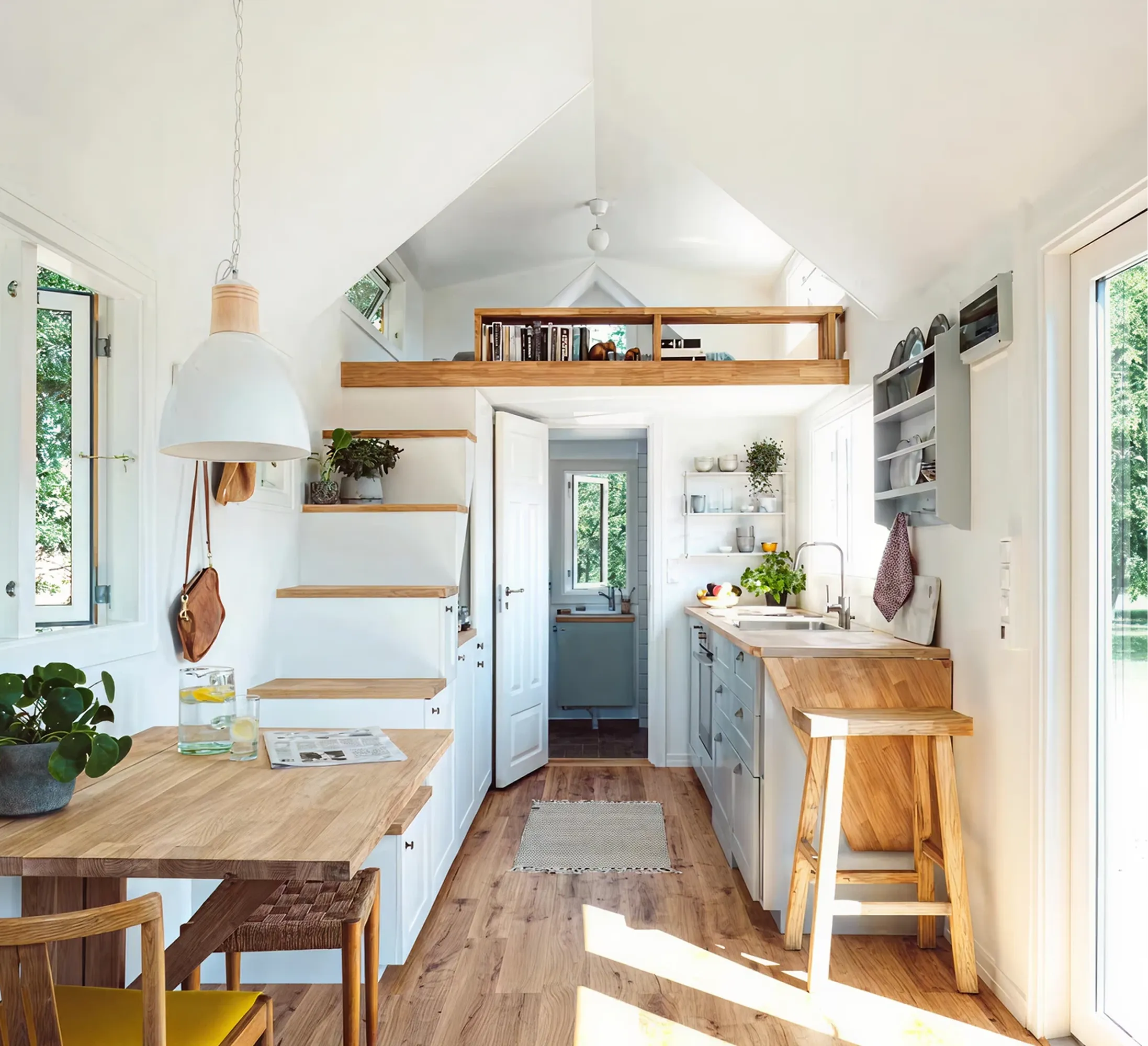
What People Mean When They Say “Prefab”
When most people talk about prefab or tiny homes, they’re usually referring to a factory-built structure that’s delivered to a site rather than built entirely on location.What’s important to know is that the structure itself is only one part of the project.
A completed prefab tiny home still requires:
Site preparation
Foundation work
Utility connections (water, sewer, electric)
Permits, coordination, and inspections
Interior finishing and final details
Understanding this early helps avoid surprises later.
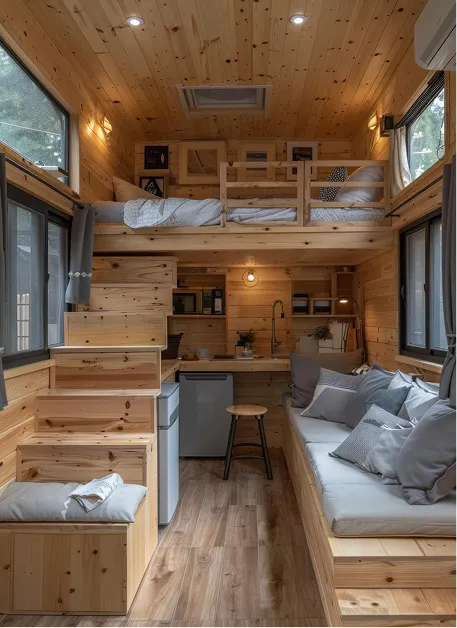
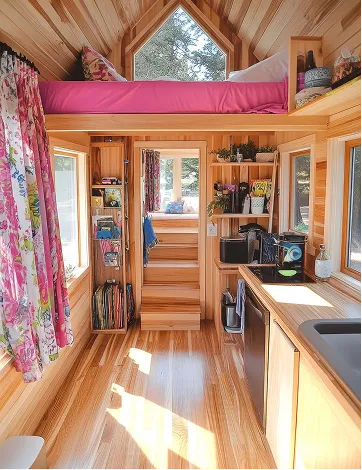
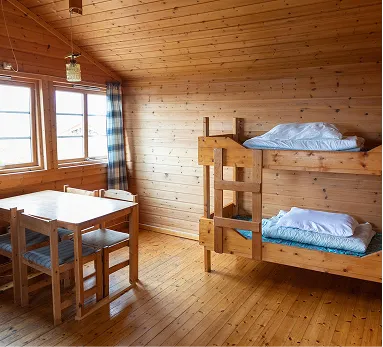
Who This Is For
Prefab tiny homes are often a good fit for homeowners who
Streamlined Build Process
Want a more streamlined build process
Extended living
Are exploring options for family or extended living
secondary dwelling
Need a secondary dwelling on existing land
prefab vs traditional
Are comparing prefab vs traditional ADU construction
clearer timeline
Like the idea of a smaller, efficient home with a clearer timeline
For many people, it’s about finding the right balance between cost, speed, and livability.
Prefab vs. Custom ADUs
Both prefab and custom-built ADUs have a place, the difference comes down to priorities.
Lower overall cost compared to fully custom builds
Faster timelines once the unit is selected
Limited design and layout flexibility
Full control over layout, finishes, and design
Greater flexibility for unique properties
Higher overall investment
We help homeowners understand these tradeoffs so they can choose the option that actually fits their goals.
What We Do (And Why It Matters)
Many prefab listings focus on the unit itself but the success of a prefab project depends on everything around it.
Our goal is to make sure your prefab tiny home works on your property — not just on paper.
Each home Garage is tailored to your goals and your property, which may include:
Site evaluation and preparation
Foundation and structural requirements
Water, sewer, and electrical coordination
Installation oversight and project management
Final details that make the space feel complete
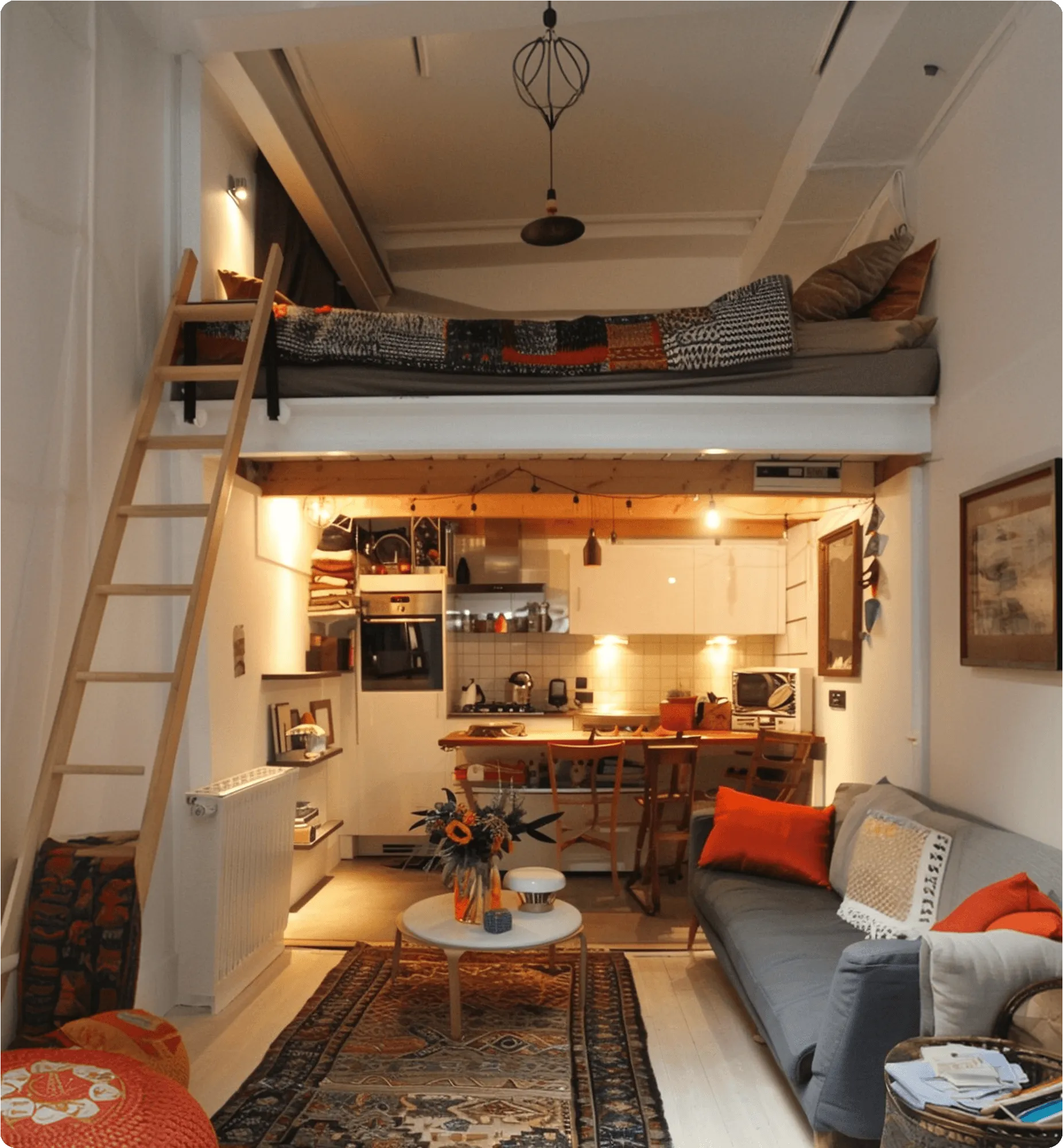
Designed for Real Living
Even though prefab homes are smaller and more efficient, they should still feel like real homes.
We focus on creating spaces that:
Feel comfortable and usable every day
Support long-term living, not just short stays
Are built to last, not feel temporary
Fit naturally into the property they’re placed on
The result is a home that feels intentional and finished.
A Common Cost Reality Check
One of the biggest surprises for homeowners is that prefab homes aren’t “plug-and-play.”
While prefab can reduce costs compared to custom construction, the total investment includes:
Delivery and placement
Utility hookups
Foundation and site work
Interior finishes
We’re upfront about these realities so you can plan with clarity and confidence from the start.
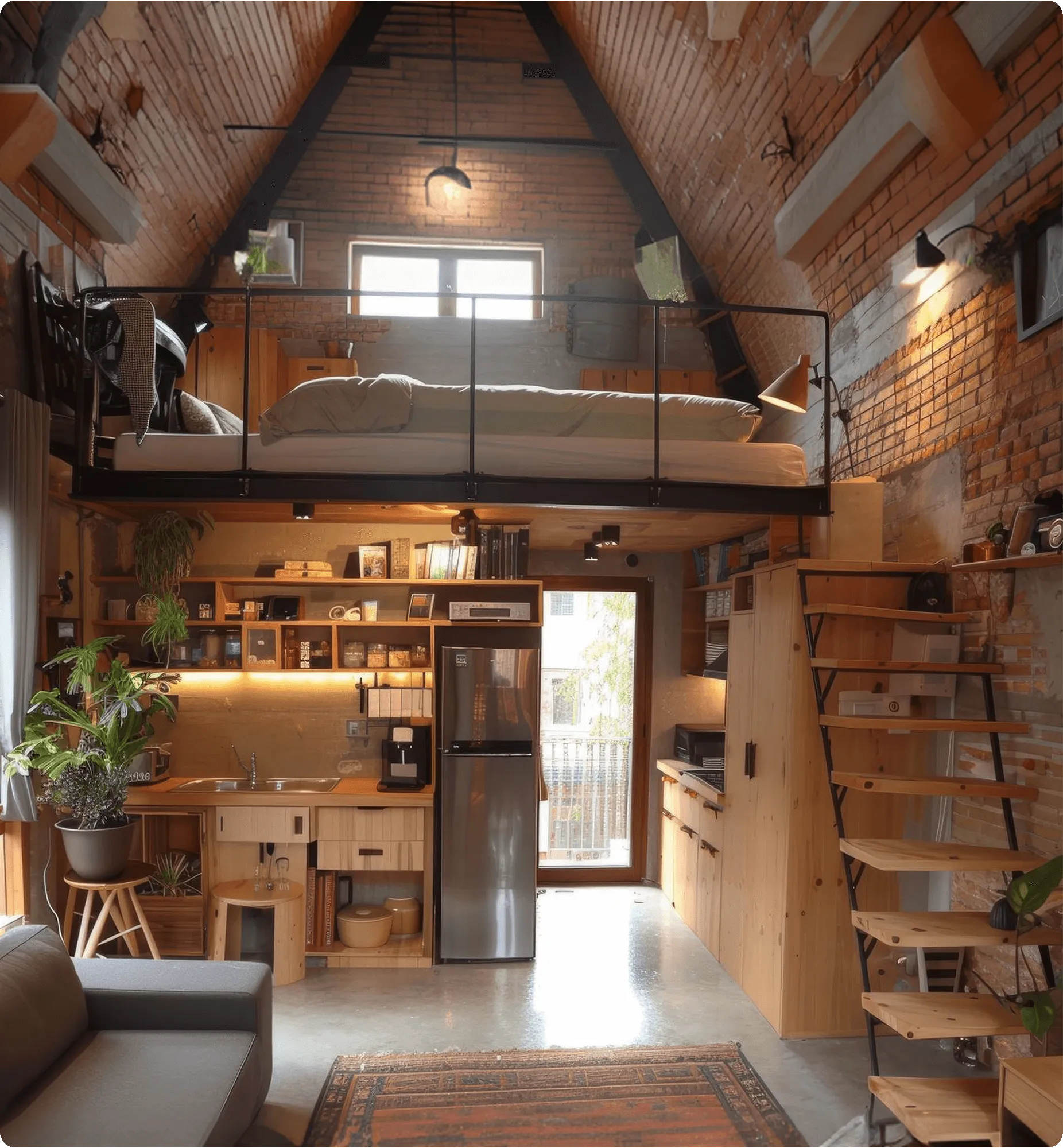
What to Expect
Is a Prefab Tiny Home Right for You?
Prefab can be a great solution especially for:
Family housing (including aging parents or adult children)
Retreat or second-property use
Homeowners with land who want a smaller dwelling
Those looking for a new home without the complexity of a full custom build
If you’ve been researching prefab, we can help you understand how it applies to your situation.
Let’s Talk Through Your Options
If you’re considering a prefab tiny home and want honest guidance on cost, feasibility, and next steps, we’re happy to help.
